Top 10 Destinations in Northeast India You Should Visit Once in Your Lifetime
Northeast India is a region brimming with hidden treasures waiting to be discovered. From ancient rock carvings to untouched forests, from floating islands to sacred valleys, the Northeastern states offer experiences that will transform your perspective on travel. This guide takes you beyond the typical tourist spots to include both iconic destinations and true offbeat gems. Here are top 10 destinations in Northeast India that you simply cannot miss when exploring this magnificent corner of India.
Top 10 Destinations in Northeast India
1. Kaziranga National Park, Assam

Kaziranga National Park stands as one of the most significant wildlife destinations not just in Northeast India, but across Asia. This UNESCO World Heritage Site is globally renowned for housing two-thirds of the world's one-horned rhinoceroses. Your wildlife experiences here are truly exceptional, with jeep and elephant safaris allowing you to see these magnificent creatures in their natural habitat. The park also protects wild buffalo, swamp deer, and over two thousand bird species. The best time to visit is October to May when the climate is perfect for wildlife viewing. Memorable journeys will be designed by Northeast Nook as you explore this incredible sanctuary and witness nature's raw power.
2. Mechuka: The Hidden Himalayan Valley, Arunachal Pradesh

High in the Eastern Himalayas sits Mechuka, also spelled Menchukha, one of Northeast India's most spectacular offbeat destinations. Situated at 6,000 feet above sea level in the West Siang district, this remote valley remained largely isolated until motorable roads arrived in 2005, which actually protected its pristine beauty. Often called the "Shangri-La of the Northeast," Mechuka was unknown to most outsiders until recently, making it a true hidden gem for adventurous travelers. The valley is home to exotic tribal communities—the Membas, Ramos, Bokars, and Libos—who welcome visitors with genuine warmth. The iconic 400-year-old Samten Yangchag Monastery, perched amid pine forests, carries deep spiritual significance. Your cultural immersion here is deeply authentic, untouched by mass tourism. The best time to visit is October to March.
3. Unakoti, Tripura: The Angkor Wat of India
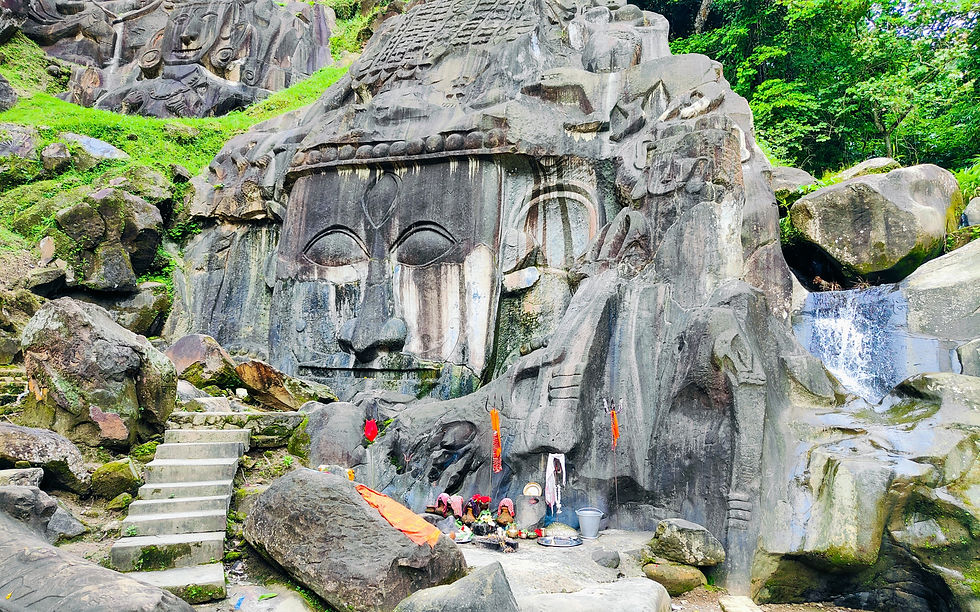
In the heart of Tripura lies Unakoti, a lesser-known archaeological wonder that has been called the "Angkor Wat of India". This ancient Shaivite pilgrimage site dates back to the 7th-9th centuries and features remarkable rock-cut sculptures and carvings hidden within a lush forest landscape. The site's centerpiece is the massive Unakotiswara Kal Bhairava—a 30-foot-high stone carving of Lord Shiva's head with an ornate 10-foot headdress. According to Hindu mythology, the name "Unakoti" means "one less than a crore," derived from the legend that Lord Shiva cursed one crore (10 million) gods and goddesses to turn to stone here. The entire site is nestled in beautiful landscaped forest with waterfalls and green vegetation, creating a peaceful spiritual atmosphere. The annual Ashokastami Mela festival in April attracts thousands of pilgrims. Located about 8 kilometers from Kailashahar town, this offbeat destination remains relatively undiscovered by mainstream tourism. Your cultural immersion here connects you with centuries of spiritual heritage.
4. Majuli Island, Assam


Majuli Island, located in the Brahmaputra River, was once recognized as the world's largest river island. This island is a vital hub of Assamese culture and home to unique neo-Vaishnavite monasteries called satras. These satras are ancient centers of learning, art, and spirituality where traditional Assamese dance forms are still performed. Travelers seeking cultural immersion find Majuli Island deeply rewarding, as the island's spiritual significance and scenic beauty remain largely undiscovered by mainstream tourism. The post-monsoon season (September onwards) is ideal for exploring this cultural treasure. Your memorable journeys will be designed by Northeast Nook as you experience authentic Assamese traditions.
5. Ziro Valley, Arunachal Pradesh

Ziro Valley, nestled in the Lower Subansiri district of Arunachal Pradesh, is a serene paradise home to the distinctive Apatani tribe. This UNESCO-recognized valley features vast green rice fields, pine-clad hills, and quaint villages that create a tranquil atmosphere perfect for cultural immersion. Your experiences here include learning about the Apatani people's unique traditions, their ingenious agricultural practices perfected over centuries, and intricate handloom crafts. The valley also hosts wildlife treasures like the Talley Valley Wildlife Sanctuary and the ancient Meghna Cave Temple. The Ziro Music Festival in September showcases Apatani culture alongside contemporary music, attracting travelers seeking cultural experiences in Northeast India. Visit from October to March for the best weather.
6. Namdapha National Park, Arunachal Pradesh
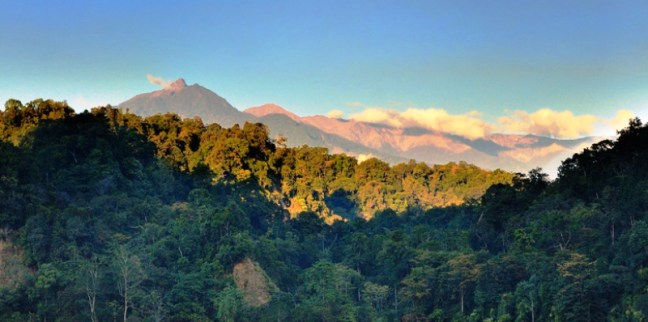
Nestled near the Indo-Myanmar border in Changlang district, Namdapha National Park remains one of Northeast India's best-kept secrets for wildlife enthusiasts. Spanning 1,985 square kilometers of pristine rainforest, this Tiger Reserve boasts extraordinary biodiversity with over 1,000 floral species and about 1,400 faunal species. The park harbors the world's northernmost lowland evergreen rainforests and is a botanist's dream with rare orchids, ferns, and unique plant species. Your wildlife experiences here include spotting elusive Clouded Leopards, Snow Leopards, Bengal tigers, Asiatic elephants, and the rare white-winged wood duck. The park's elevation range from 200 to 4,571 meters creates diverse ecosystems where tropical forests transition to temperate broadleaf and mixed forests. Located a few kilometers from Miao town, this offbeat destination offers genuine adventure away from crowded tourist circuits. The best trekking season is October to March.
7. Manas National Park, Assam

Manas National Park, a UNESCO Natural World Heritage Site and Project Tiger Reserve in Assam, represents one of the most biodiverse protected areas in India. Named after the Manas River—a significant tributary of the Brahmaputra—the park is home to 22 of India's most threatened species of mammals. Your wildlife experiences here showcase nearly 60 mammal species, over 450 bird species (including the rare Bengal florican and great hornbill), and creatures like the Bengal tiger, Indian rhinoceros, clouded leopard, and the endemic pygmy hog. The park provides habitat for the world's largest population of wild water buffaloes in their pure strain. Located in Assam's Chirang district, Manas offers incredible opportunities for safari adventures and wildlife photography.
8. Phawngpui Blue Mountain National Park, Mizoram

Phawngpui, also known as Blue Mountain, is a mystical offbeat destination hidden in the Lawngtlai district of Mizoram, about 300 kilometers from Aizawl. Standing at an impressive height of 2,157 meters, Phawngpui is the highest peak in Mizoram and the entire Mizo Hills. The mountain's distinctive blue hue, visible from great distances, comes from the thin layer of clouds that perpetually shrouds its slopes, creating an ethereal and magical atmosphere. Established as a national park in 1992, it covers about 50 square kilometers of pristine forest nestled in Northeastern states' wilderness. Your wildlife experiences here are extraordinary, with the park home to rare avian species like Blyth's tragopan, Mrs. Hume's pheasant (Mizoram's state bird), dark-rumped swift, and mountain bamboo partridge. Mammals found here include the Asiatic black bear, clouded leopard, tiger, leopard cat, goral, slow loris, stump-tailed macaque, and capped langur. The diverse ecosystems include subtropical broadleaf and tropical evergreen forests adorned with orchids and rhododendrons, creating a paradise for nature photographers. October to March offers the best conditions for your visit.
9. Aizawl, Mizoram: The Cultural Heart of the Northeast

Aizawl, the capital of Mizoram, is perched dramatically on a ridge at 1,132 meters above sea level, offering one of the most unique offbeat experiences in Northeastern states. With a population of approximately 300,000, this 112-year-old citadel-like city spreads over several mountain ridges with most timber houses built on steep 60%+ inclines, creating a distinctive and enchanting landscape. Your cultural immersion begins with exploring the vibrant Mizoram State Museum, an ethnographic treasure showcasing Mizo heritage, crafts, and traditions. Solomon's Temple, a non-denominational church built in 1984, stands as a symbol of Aizawl's spiritual diversity. The city offers authentic cultural immersion through markets, local eateries, and handicraft shops where you can experience traditional Mizo weaving and textile arts. Attractions like Falkawn Village on the city's outskirts provide glimpses of typical Mizo village life. Tamdil Lake, literally "Lake of Mustard," located about 87.5 kilometers from Aizawl, offers serene boating and nature experiences. The city hosts vibrant festivals like Chapchar Kut (March), Mim Kut (July-August), and Pawl Kut (December) that showcase tribal traditions and celebrations. The pleasant year-round climate makes Aizawl comfortable for tourism almost throughout the year. The best time to visit is March to May when the weather is perfect for exploring.
10. Mon Village, Nagaland: Land of the Konyak Tribe

Mon, the northernmost district of Nagaland, is one of Northeast India's most authentic and unforgettable offbeat destinations, home to the legendary Konyak tribe. Bordered by Arunachal Pradesh to the north, Assam to the west, and Myanmar to the east, Mon invites you to experience a world untouched by mass tourism. The Konyak people are renowned for their striking facial tattoos that tell stories of their heritage, identity, and warrior past. Your cultural immersion here is profound—you'll encounter proud warriors dressed in intricate traditional attire, men and women adorned with tattoos and beaded chokers, living out traditions that have survived centuries. The district offers a fascinating glimpse into one of the world's last authentic headhunting cultures, though they have now largely embraced Christianity. Longwa Village is a particularly unique experience, straddling the India-Myanmar international border—the chief's morung (traditional longhouse) is dramatically split between the two countries, with one half falling within Indian territory and the other under Myanmar control. Here you can witness wooden monuments, ancient sculptures, skull exhibits (remnants of historical traditions), and traditional woodcarvings that showcase Konyak craftsmanship. Other villages like Shangnyu, Chui, Angphang, and Changlangshu are famous for their exceptional wood carvings and traditional architecture that provide valuable insights into Konyak history and culture. The region offers excellent opportunities for trekking, fishing, and picnicking along rivers like Dikhu, Tizit, and the Yetyong, which are popular for trout fishing. The Aoling Festival, celebrated in March, provides an incredible opportunity to witness Konyak cultural celebrations with traditional music, dance, and food. Your memorable journeys will be designed by Northeast Nook as you connect with the Konyak people's warm hospitality, vibrant traditions, and authentic tribal way of life. The best time to visit Mon is November to April.
Best Time to Visit Northeast India
The ideal season to explore Northeastern states is from November to April when the weather is pleasant and cool. This period offers clear skies, comfortable temperatures, and perfect conditions for sightseeing and adventure activities. The monsoon season (June to September) transforms the landscape into lush greenery and brings magnificent waterfalls, perfect for those seeking dramatic natural beauty.
Each destination in Northeast India offers unique wildlife experiences, authentic cultural immersion, and natural wonders that make this region truly special. Whether you're seeking wildlife adventures, connections with tribal traditions, spiritual awakening, or peaceful retreats in pristine nature, memorable journeys will be designed by Northeast Nook as you explore these ten remarkable destinations. Plan your trip to Northeast India today and discover why this magnificent region remains one of the world's most enchanting and least explored corners of the planet.


Comments